
Temporary vs Permanent Boom Gate Systems: How to Decide
Selecting the correct access control model is a critical decision for site security, workplace safety, and traffic management. When evaluating a new portable boom gate or a permanent fixed barrier, project managers must carefully balance long-term operational needs with upfront logistical constraints. Deciding between a temporary and permanent system depends entirely on your project duration, budget flexibility, and site infrastructure requirements.
What Is a Permanent Boom Gate Installation?
A fixed infrastructure setup is designed for long-term, static applications where vehicle flow and access points will remain unchanged for years. Common examples include multi-level commercial car parks, secure corporate facilities, toll roads, and permanent industrial compounds.
Executing a permanent boom gate installation demands significant civil works and structural preparation. The process involves pouring heavy concrete foundations, trenching asphalt for underground electrical conduits, and hardwiring communication cables directly into the local power grid. While these fixed installations provide excellent long-term durability and automated security, they lack operational agility. Once installed, they cannot be easily modified or relocated without incurring substantial demolition and reconstruction costs.
What Is a Temporary Boom Gate Installation?
A temporary system offers the exact same robust physical vehicle control and perimeter security as a fixed barrier, but without the permanent structural footprint. These units are specifically engineered for rapid deployment, short-to-medium-term applications, and highly dynamic work environments.
Unlike fixed options, temporary systems are typically trailer-mounted or positioned on heavily weighted, self-contained bases. They require absolutely no excavation, groundwork, or connection to local electrical infrastructure. Instead, they rely on integrated power sources, such as heavy-duty internal batteries paired with solar panel kits. This clean configuration allows site supervisors to establish a secure vehicle checkpoint in minutes, with the absolute freedom to relocate or remove the barrier as project requirements evolve.
Key Factors to Guide Your Decision
To determine which access system aligns with your site requirements, you need to evaluate several core operational variables. Making the correct choice ensures seamless vehicle flow while avoiding unnecessary infrastructure costs.
Project Duration and Footprint Stability
If your entry and exit points are entirely fixed and must remain functional for several years, investing in a permanent system is highly logical. However, if your project footprint changes as construction progresses, or if you are managing a short-term public event, a permanent fixture becomes an operational bottleneck. Temporary options can be deployed for a single night of emergency works or several months of civil construction, then packed down cleanly without leaving structural damage behind.
Upfront Capital Expense vs Operational Budget
Permanent systems require substantial upfront capital expenditure. You must account for the purchase price of the hardware, specialist civil contractors, engineering certifications, utility mapping, and local council permits. Conversely, a temporary setup bypasses these capital hurdles entirely. Hiring a system shifts the expense into your operational budget, completely removing the financial risk of asset depreciation, ongoing maintenance overheads, and long-term storage logistics.
Regulatory Approvals and Setup Timelines
Securing permission for permanent civil works can delay a project by weeks or even months. You must obtain strict council permits and conduct detailed scanning to ensure trenching will not disrupt underground water, gas, or telecommunications lines. Because temporary systems sit securely above ground without penetrating the surface, they completely avoid these administrative delays. This allows you to establish an accredited, safe checkpoint immediately.
Comparing Deployment and Core Infrastructure
When analyzing how these two systems function on a daily basis, the operational contrasts become highly apparent across several key areas:
- Setup Timelines: A fixed installation requires weeks or months for council approvals, engineering sign-offs, and physical construction. A temporary system can be fully deployed and operational in less than three minutes.
- Groundwork Requirements: Permanent setups require heavy excavation, concrete pouring, and surface trenching. Temporary hire units require zero groundwork or surface penetration.
- Power Infrastructure: Fixed gates must be hardwired directly to the local electrical grid, requiring specialized electrical contractors. Temporary alternatives rely on self-contained internal batteries or integrated solar power kits.
- Site Mobility: Permanent installations are completely fixed and cannot be moved without full asset demolition. Temporary units are highly mobile and easily relocated using standard site machinery as boundaries change.
Why Hiring a Temporary Solution Beats Buying
For infrastructure upgrades, civil roadworks, and major event management, structural agility is your greatest asset. Opting for a fully managed temporary hire ensures your site remains safe, efficient, and cost-effective without locking up valuable capital.
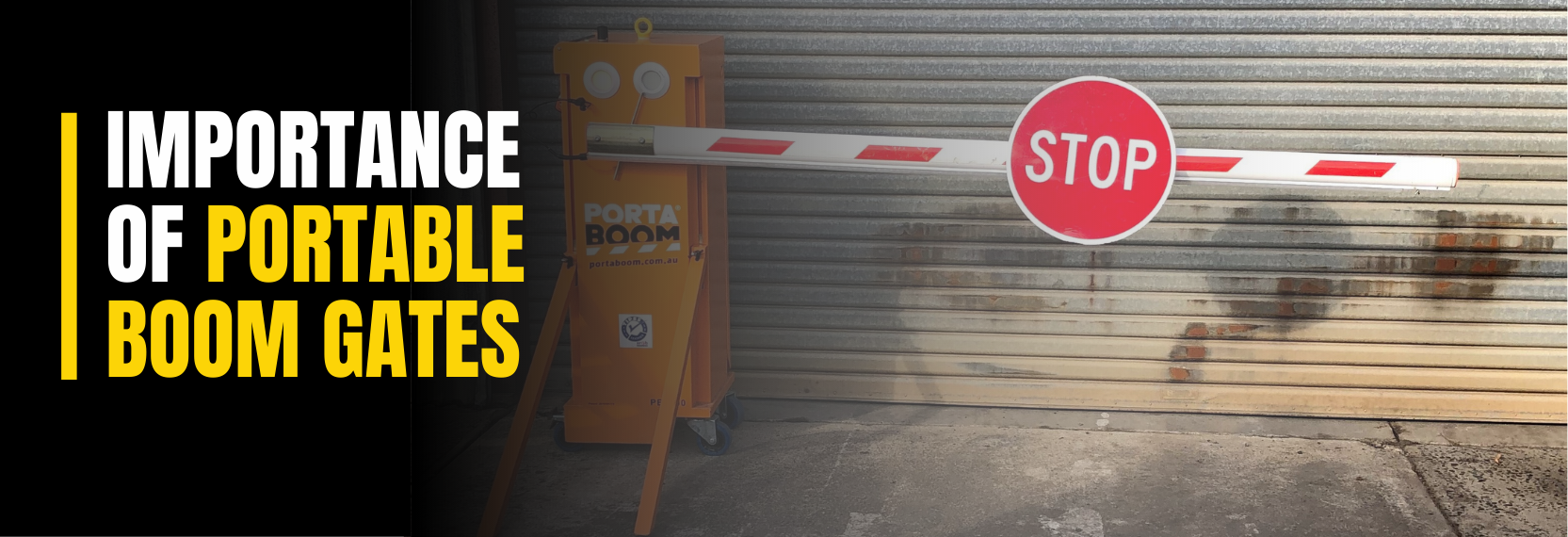
Partnering with an industry specialist like RPM Hire delivers comprehensive, turn-key traffic control solutions. We supply premium electronic barriers, including the patented PORTABOOM system. This highly visible, powder-coated steel unit takes less than three minutes to deploy with absolutely no tools required. It is fully TIPES-certified and officially approved by the Australian Road Research Board for use across all federal, state, and local road networks.
Choosing a temporary hire through our nationally accredited team provides:
- End-to-end execution: We handle the complete logistics lifecycle, including rapid mobilisation, physical site setup, and demobilisation, allowing you to focus entirely on your core project milestones.
- True 24/7 support: Civil works and public events operate around the clock. If your site conditions change at 2:00 AM, our highly experienced team provides immediate on-call technical assistance.
- Gold Equipment Protection: Our transparent, straightforward damage waiver protects your project budget from unforeseen expenses, safeguarding you against the costs of accidental on-site damage or vandalism.
Frequently Asked Questions
Does a permanent boom gate installation require local council approval?
Yes. Because permanent systems alter local infrastructure and require trenching, concrete pouring, and electrical grid connections, they generally require formal council permits, engineering certificates, and comprehensive utility mapping before work can begin.
Can temporary boom gates handle high traffic volumes?
Yes. Premium temporary systems are designed for high-frequency use. They can be integrated with automated access features, such as keypad controllers or GSM mobile phone access, allowing them to manage busy construction entry points or large event car parks efficiently.
How are temporary boom gate systems powered on remote sites?
Temporary units are completely self-contained and run on high-capacity internal batteries. For long-term projects or remote locations lacking grid access, they can be paired with integrated solar panel kits to ensure continuous, uninterrupted off-grid operation.
What happens if a temporary access checkpoint needs to be moved?
Mobility is a primary benefit of temporary systems. Because they are mounted on stable bases or trailers without surface fasteners, they can be relocated quickly across your site footprint using basic machinery as your project boundaries change.
Are temporary boom gates as secure as permanent fixed systems?
Yes. Modern temporary units are constructed from heavy-duty, powder-coated steel and feature robust physical barriers that clearly define perimeters. They provide an equally effective, highly visible deterrent to unauthorised vehicle entry without the need for permanent civil modifications.
Secure Your Site Today
Ready to eliminate site friction and keep your traffic moving safely? Contact the expert team at RPM Hire today on 1300 479 570 or fill out our online form for a fast, free quote on our turn-key temporary access solutions.